

 New Zealand Dollar (NZD)
 Hong Kong Dollar (HKD)
 Japanese Yen (JPY)
 Singapore Dollar (SGD)
 South Korean Won (KRW)
 United Arab Emirates Dirham (AED)
 Canadian Dollar (CAD)
 British Pound (GBP)
 Euro (EUR)
 Swiss Franc (CHF)
 Swedish krona (SEK)


Sleep Blog
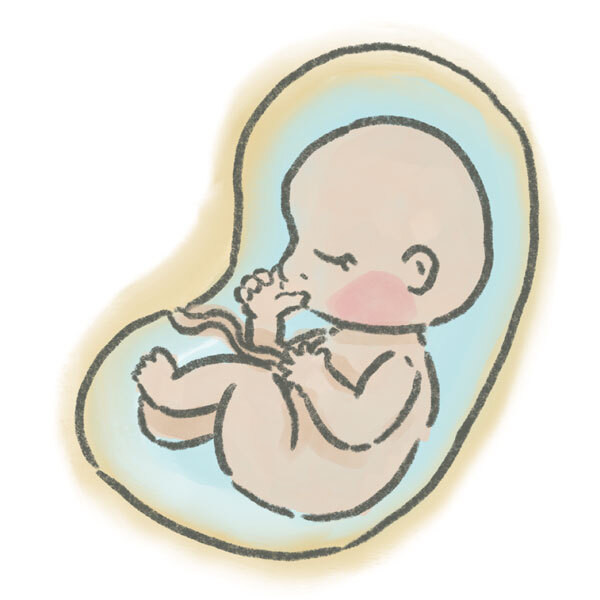
Newborn Baby Self-soothing for Better Sleep and Development
Self-touch or self-contact is an important way to settle or soothe one's self.
Newborn babies are born with an ultra-sensitive sense of touch. Through every touch, they learn about their bodies, their surroundings, and human connection. Your baby’s sense of touch begins to develop as early as 7 weeks in the womb. By 11 weeks your baby is already making tiny movements in the womb as she explores the womb environment and her own body.
By the third trimester, your baby will engage in lo
…
10th Jul 2025

How to Transition Your Baby Out of Swaddling
As your baby begins showing signs of rolling, it's crucial to transition out of swaddling to ensure their safety and support their development.
Here’s what you need to know about when to stop swaddling and how to make the transition smoothly:
When to Stop Swaddling
It is essential to discontinue swaddling as soon as the baby starts showing signs that they can begin to roll. Babies can begin to show signs of rolling typically between 4-to-6 months, but for some, it may happen earlier. At th
…
10th Jul 2025
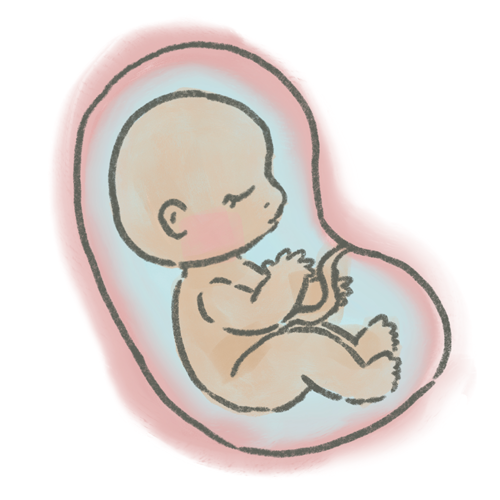
Swaddling Your Baby: What is the Fetal Position?
Fetal tuck or Fetal Position is a positioning of the body where the back is curved, the head is bowed, the knees are bent, and the elbows are flexed with hands drawn up and positioned towards the midline near the face. As a fetus, we spend most of our time inside of the womb in this position.
Similarly, after birth, newborns generally assume the Fetal position, with their knees bent, or flexed, and the elbows bent, or flexed with hands drawn up and positioned towards the midline near the face.
I
…
10th Jul 2025

Why Non-Nutritive Sucking Fuels Baby's Brain Development
Non-nutritive sucking (NNS) is more than just a baby’s way to self-soothe - it’s a proven exercise for the developing brain.
Research shows that the repetitive, coordinated movements of NNS activate and strengthen neural pathways essential for speech, attention, and learning. For example, a 2024 study found that infants with more mature NNS patterns at 3 months had higher cognitive and general development scores at 12 months.
For premature or at-risk babies, encouraging non-nutritive
…
3rd Jul 2025

How Non-Nutritive Sucking Helps Babies Sleep Better
An infant's sucking instinct develops as early as 15 weeks into pregnancy and continues after birth, primarily as a cue for hunger and feeding. However, babies also engage in non-nutritive sucking (NNS) — sucking on fingers or other objects even when they are not hungry. This behaviour is more than just a reflex; it plays a crucial role in an infant's development and well-being.
Non-nutritive sucking typically happens in situations such as:
• When babies suck on their thumb, hand, f
…
1st Mar 2025

How Tryptophan Affects Newborn Sleep
Tryptophan is an essential amino acid that plays a crucial role in melatonin production. Here's how the process works:Tryptophan to Serotonin: When you consume foods containing tryptophan, your body converts it into serotonin. This process occurs in the brain, where tryptophan crosses the blood-brain barrier.Serotonin to Melatonin: Once serotonin is produced, it can be converted into melatonin, particularly in the evening or in low-light conditions. Melatonin is the hormone responsible for regul
…
31st Dec 2024

Memories from the Womb
Pediatric research has revealed the extraordinary capacity of babies to recognize their mother's voice even while in the womb. It's truly remarkable how this special connection is established before birth.Additionally, babies have the ability to hear and be familiar with specific music or books that mothers played or read aloud during pregnancy.When they are born, babies exhibit a sense of familiarity and recognition towards these sounds, carrying these auditory memories with them and forming a
…
31st Dec 2024
How Sleep Affects Your Baby's Gut
Did you know that your baby’s sleep quality can have a big impact on their digestion? There’s a strong connection between how well your little one sleeps and how their tummy works, and in this video, we’ll delve into why poor sleep and gut issues often go hand in hand.
The Bi-directional relationship between your baby’s gut bacteria and circadian rhythm
Recent research shows that babies’ gut bacteria follow their own circadian rhythm, which is closely linked to your
…
31st Dec 2024

How Oxytocin Affects Newborn Sleep
Oxytocin, the hormone produced by the hypothalamus in the brain and released by the pituitary gland, provides several health benefits including improving immune function, reducing stress levels and inflammation.
Also known as the 'sedation hormone' for its calming and relaxing effects, oxytocin can help babies feel safe and secure, thus helping to improve their sleep quality and duration. There are several ways to boost baby's levels of oxytocin, including:
Touch
Gentle touches, such as stroking
…
31st Dec 2024
What is Non-Nutritive Sucking?
An infant's sucking instinct develops as early as 15 weeks into pregnancy, and continues outside of the womb; usually as a cue to hunger and feeding.But there is another form of sucking, referred to as 'non-nutritive sucking' -- being able to suck one's fingers, even when not feeling hungry.'Non-nutritive sucking' is a newborn's ability to get their hand to mouth - not a cue to hunger, but as an exploratory behaviour - as they experience their surroundings and gain knowledge through th
…
31st Dec 2024