

 New Zealand Dollar (NZD)
 Hong Kong Dollar (HKD)
 Japanese Yen (JPY)
 Singapore Dollar (SGD)
 South Korean Won (KRW)
 United Arab Emirates Dirham (AED)
 Canadian Dollar (CAD)
 British Pound (GBP)
 Euro (EUR)
 Swiss Franc (CHF)
 Swedish krona (SEK)

Sleep Blog
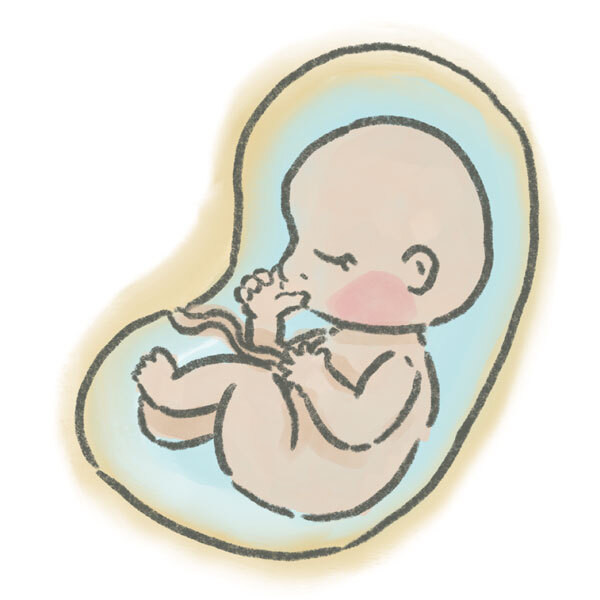
Newborn Baby Self-soothing for Better Sleep and Development
Self-touch or self-contact is an important way to settle or soothe one's self.
Newborn babies are born with an ultra-sensitive sense of touch. Through every touch, they learn about their bodies, their surroundings, and human connection. Your baby’s sense of touch begins to develop as early as 7 weeks in the womb. By 11 weeks your baby is already making tiny movements in the womb as she explores the womb environment and her own body.
By the third trimester, your baby will engage in lo
…
3rd Aug 2026

Swaddling Your Baby: What is the Fetal Position?
Fetal tuck or Fetal Position is a positioning of the body where the back is curved, the head is bowed, the knees are bent, and the elbows are flexed with hands drawn up and positioned towards the midline near the face. As a fetus, we spend most of our time inside of the womb in this position.
Similarly, after birth, newborns generally assume the Fetal position, with their knees bent, or flexed, and the elbows bent, or flexed with hands drawn up and positioned towards the midline near the face.
I
…
10th Jul 2025

Why Non-Nutritive Sucking Fuels Baby's Brain Development
Non-nutritive sucking (NNS) is more than just a baby’s way to self-soothe - it’s a proven exercise for the developing brain.
Research shows that the repetitive, coordinated movements of NNS activate and strengthen neural pathways essential for speech, attention, and learning. For example, a 2024 study found that infants with more mature NNS patterns at 3 months had higher cognitive and general development scores at 12 months.
For premature or at-risk babies, encouraging non-nutritive
…
3rd Jul 2025

How Non-Nutritive Sucking Helps Babies Sleep Better
An infant's sucking instinct develops as early as 15 weeks into pregnancy and continues after birth, primarily as a cue for hunger and feeding. However, babies also engage in non-nutritive sucking (NNS) — sucking on fingers or other objects even when they are not hungry. This behaviour is more than just a reflex; it plays a crucial role in an infant's development and well-being.
Non-nutritive sucking typically happens in situations such as:
• When babies suck on their thumb, hand, f
…
1st Mar 2025

How To Manage Your Baby's Sleep Regression
Sleep regressions are temporary periods when a baby or toddler who was previously sleeping well experiences a sudden disruption in their sleep patterns.
What causes Sleep Regressions?
Sleep regressions are often linked to developmental leaps. As babies acquire new skills or experience cognitive growth, their sleep may temporarily take a backseat. Some common causes include:
Physical development: Learning new skills like rolling over, crawling, or walking.
Cognitive growth: Increased awareness o
…
1st Dec 2024
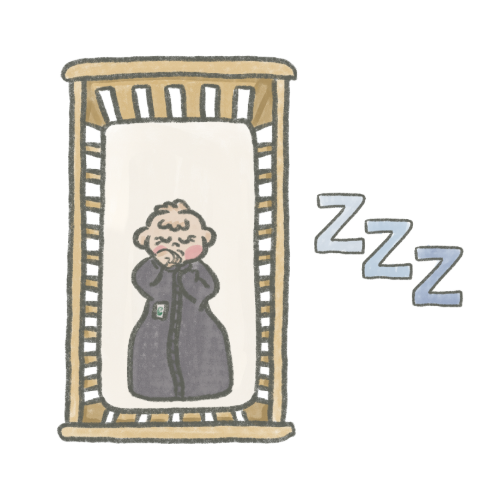
Early Wake-Ups CheatSheet for Tired Parents
It’s very common for young babies to have early morning wake-ups as their circadian rhythms are still developing and their bodies are learning to adjust to a 24-hour sleep-wake cycle. So, if your little one is waking up too early, you’re not alone. Early wake-ups can be tough on sleep-deprived parents, but with a few simple adjustments, you can help your baby sleep a bit longer. Here are some strategies you might want to try:
1. Adjust Bedtime as Needed:
If your baby frequently wakes
…
10th Nov 2024
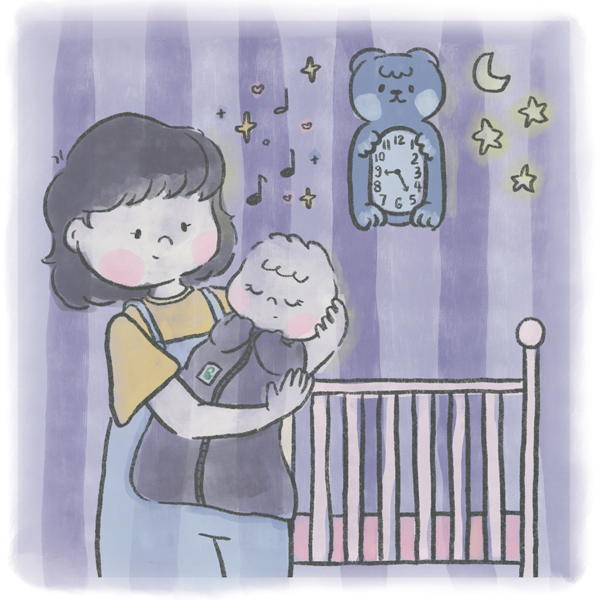
The Perfect Night Routine for Your Baby
Pediatric research has shown that a nightly bedtime routine helps babies fall asleep more easily, stay asleep longer, and reduce disruptive night wakings.The bedtime routine used for this research was a 5-minute bath, a 3-minute massage, and some relaxing activities like cuddling and lullabies.Nevertheless, you can create a routine that suits your lifestyle and preferences - the key is to keep it consistent, positive, pleasant, and calming for both you and your baby.For example, you may include
…
31st Oct 2024

Consistent Comfort for Baby
Pediatrics research has shown that sucking on a pacifier can reduce a baby's perception of pain during medical procedures such as a heel prick to draw blood.However, this effect seems to be short-lived and occurs only while the infant is actually sucking on the pacifier. Studies have shown that infants often lose their pacifiers within 30 minutes of falling asleep, with almost two-thirds of babies in one study losing their pacifiers during sleep, leading to sleep disruptions and frequent night
…
1st Sep 2024