

 New Zealand Dollar (NZD)
 Hong Kong Dollar (HKD)
 Japanese Yen (JPY)
 Singapore Dollar (SGD)
 South Korean Won (KRW)
 United Arab Emirates Dirham (AED)
 Canadian Dollar (CAD)
 British Pound (GBP)
 Euro (EUR)
 Swiss Franc (CHF)
 Swedish krona (SEK)

Sleep Blog
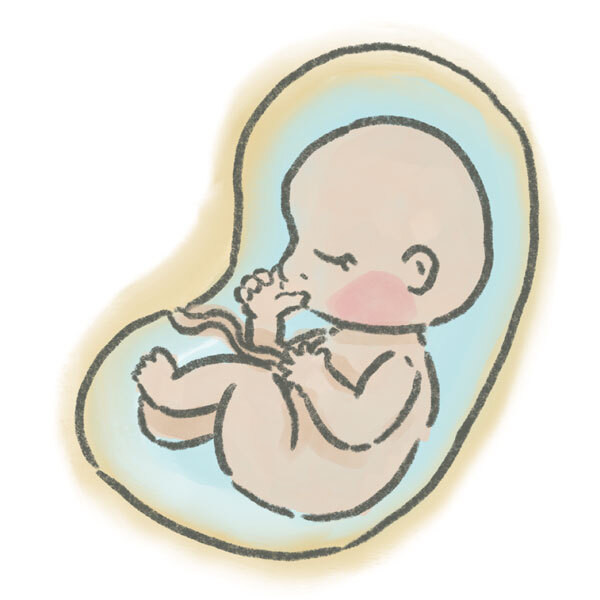
Newborn Baby Self-soothing for Better Sleep and Development
Self-touch or self-contact is an important way to settle or soothe one's self.
Newborn babies are born with an ultra-sensitive sense of touch. Through every touch, they learn about their bodies, their surroundings, and human connection. Your baby’s sense of touch begins to develop as early as 7 weeks in the womb. By 11 weeks your baby is already making tiny movements in the womb as she explores the womb environment and her own body.
By the third trimester, your baby will engage in lo
…
3rd Aug 2026
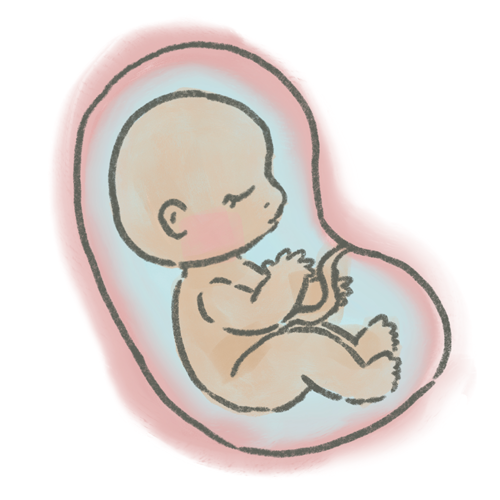
Swaddling Your Baby: What is the Fetal Position?
Fetal tuck or Fetal Position is a positioning of the body where the back is curved, the head is bowed, the knees are bent, and the elbows are flexed with hands drawn up and positioned towards the midline near the face. As a fetus, we spend most of our time inside of the womb in this position.
Similarly, after birth, newborns generally assume the Fetal position, with their knees bent, or flexed, and the elbows bent, or flexed with hands drawn up and positioned towards the midline near the face.
I
…
10th Jul 2025
How to Smoothly Introduce New Changes to Your Baby's Sleep Routine
As parents, ensuring your baby gets peaceful and restorative sleep is always a top priority. However, introducing changes to their sleep routine—such as swaddling in a different arm position or product, transitioning out of a swaddle, or incorporating a new sleep aid—can sometimes feel overwhelming.
Every baby adjusts differently, and some transitions may require patience and a tailored approach. By understanding your baby’s unique needs and following proven strategies, you can help them adapt
…
1st Dec 2024
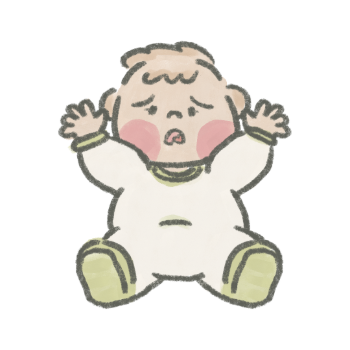
Baby Sleepy Cues/Signs: How to Tell When Your Baby Needs Sleep?
Baby sleep cues are the initial signs babies give when they’re ready to rest. These cues often manifest as changes in behaviour, signalling it’s time to reduce stimulation and prepare for sleep.
Here’s a quick guide to sleep cues based on age:
0-3 months
Babies aged 0-3 months will typically show the following sleep cues: Pulling at ears, Frowning or looking worried, Yawning, Staring into space, or exhibiting jerky movements.
4-6 months
Babies aged 4-6 months will typically sho
…
12th Nov 2024
The Perfect Night Routine for Your Baby
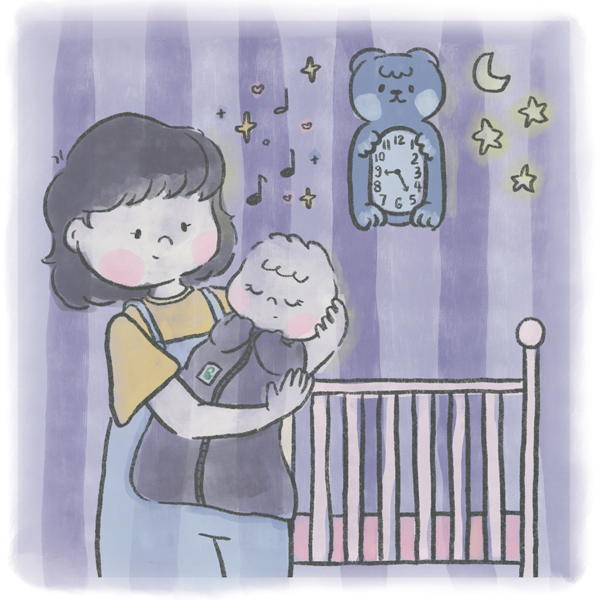
Pediatric research has shown that a nightly bedtime routine helps babies fall asleep more easily, stay asleep longer, and reduce disruptive night wakings.The bedtime routine used for this research was a 5-minute bath, a 3-minute massage, and some relaxing activities like cuddling and lullabies.Nevertheless, you can create a routine that suits your lifestyle and preferences - the key is to keep it consistent, positive, pleasant, and calming for both you and your baby.For example, you may include
…
31st Oct 2024
What is ARMS-FREE swaddling and how does it benefit baby's sleep?
During ultrasound, a fetus can be seen exploring the uterine wall, touching the umbilical cords, touching its own hands and fingers together at the midline, touching its feet, abdomen, chest, nose, lips, ears, rubbing its eyelids, scratching its temples with its fingers, and sucking on its hands, fingers, or thumb. Just as adults learn from experience – these spontaneous movements are precursors for development of more important goal oriented behaviours and aids infant's neurological and motor
…
7th Mar 2021

The Art of Napping and How to Reduce Your Sleep Deprivation
One of the most overwhelming aspects of parenting is sleep deprivation. Lack of proper sleep can take a toll on your well-being and put you at increased risk of illness and depression. As you struggle to cope with your baby's sleep patterns, don't forget to look after yourself. Here is how a little nap of your own can go a long way helping you cope and stay sane.You might think a 30 minute nap won't make much of a difference to your health, if you're only getting a couple of hours sleep each nig
…
7th Mar 2021
How to Get Back to Sleep After Feeding or Tending to Your Baby?
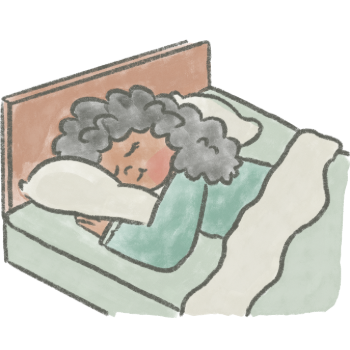
Getting up in the middle of the night to feed or tend to your baby's need is a reality of parenting. And once you are done settling your baby, it can be often difficult to return back to sleep. Instead you may find yourself lying awake, worrying about getting back to sleep.
Of course the ultimate goal is to get your child to eventually sleep through the night. And things will eventually get better. But in the meantime, here are some tips to help you get back to sleep from your middle of the nigh
…
7th Mar 2021
Is Your Baby's Circadian Rhythm Out of Sync?
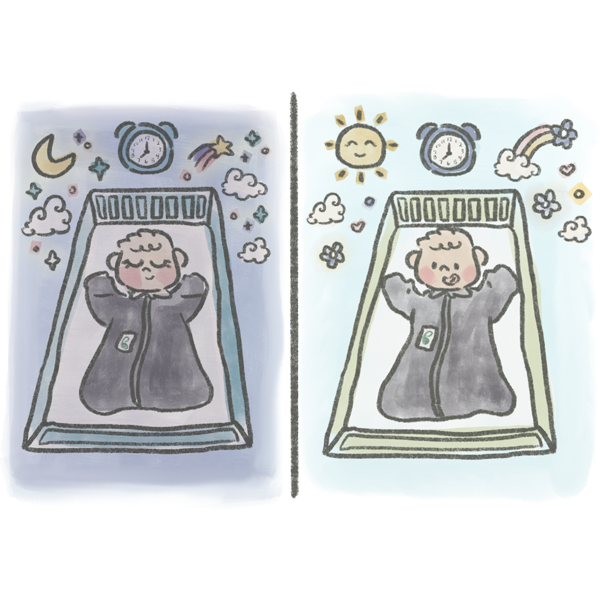
Ever wondered why we're most alert when the sun is shining and sleepy when it's dark outside? It's all thanks to our Circadian Rhythms (also known as our internal body clock) - an internal system that regulates our physical, mental, and behavioural changes over a 24-hour period.
Circadian Rhythms and Sleep
Circadian comes from "circa diem", Latin for "approximately a day". These approximately 24-hour cycles are found in most organisms, from humans to fruit flies, plants and even tiny microbes ha
…
7th Mar 2021