null

Sleep Blog

Why Non-Nutritive Sucking Fuels Baby's Brain Development

Why Non-Nutritive Sucking Fuels Baby's Brain Development

Non-nutritive sucking (NNS) is more than just a baby’s way to self-soothe - it’s a proven exercise for the developing brain. Research shows that the repetitive, coordinated movements of NNS activate and strengthen neural pathways essential for speech, attention, and learning. For example, a 2024 study found that infants with more mature NNS patterns at 3 months had higher cognitive and general development scores at 12 months. For premature or at-risk babies, encouraging non-nutritive …
3rd Jul 2025
How Non-Nutritive Sucking Helps Babies Sleep Better

How Non-Nutritive Sucking Helps Babies Sleep Better

An infant's sucking instinct develops as early as 15 weeks into pregnancy and continues after birth, primarily as a cue for hunger and feeding. However, babies also engage in non-nutritive sucking (NNS) — sucking on fingers or other objects even when they are not hungry. This behaviour is more than just a reflex; it plays a crucial role in an infant's development and well-being. ⁣Non-nutritive sucking typically happens in situations such as: • When babies suck on their thumb, hand, f …
1st Mar 2025
Why Do Newborn Babies Cry So Much?

Why Do Newborn Babies Cry So Much?

Crying is a newborn's primary way of communicating their needs. While it can be distressing to hear, understanding why your baby cries can help you respond effectively. In this video, we’ll explore common reasons for crying, typical crying patterns, and practical strategies to soothe your baby. Common Reasons for Crying Hunger The most frequent cause of infant crying is hunger. Newborns have small stomachs and need to feed often. A hunger cry typically starts quietly and builds in inte …
3rd Jan 2025
When Will My Baby Smile At Me?

When Will My Baby Smile At Me?

Babies begin practicing their smiles even before birth, developing what’s known as the reflex smile while still in utero. The reflex smile typically fades around 2 months of age, giving way to genuine social smiles. This transition signals that your baby’s vision, hearing, and nervous system have matured enough to recognize smiling as a form of communication. How to Recognise a Real Smile? So, how can you tell if your baby's smile is genuine? Reflex smiles are different from social s …
2nd Jan 2025
How Sleep Affects Your Baby's Gut

How Sleep Affects Your Baby's Gut

Did you know that your baby’s sleep quality can have a big impact on their digestion? There’s a strong connection between how well your little one sleeps and how their tummy works, and in this video, we’ll delve into why poor sleep and gut issues often go hand in hand. The Bi-directional relationship between your baby’s gut bacteria and circadian rhythm Recent research shows that babies’ gut bacteria follow their own circadian rhythm, which is closely linked to your …
31st Dec 2024
What To Do With Baby All Day?

What To Do With Baby All Day?

Wondering what to do with your baby all day? Here’s a list of simple, fun, and developmentally supportive activities you can do with your little one, broken down by age-appropriate ideas. 0-3 Months: Building Trust & Sensory Exploration At this stage, your baby is adjusting to the world outside the womb, so simple, slow-paced activities are best. Skin-to-Skin Cuddles: Helps regulate your baby’s body temperature and heart rate. Tummy Time: Start with short sessions to strengthen …
2nd Dec 2024
Why You Should Never Give Your Baby Water Under 6 Months

Why You Should Never Give Your Baby Water Under 6 Months

It might seem harmless to give your baby a little water, but health experts strongly advise against giving water to infants under six months of age. Babies have unique nutritional and developmental needs, and water can interfere with their delicate balance. Here’s why water should wait until your baby is a bit older. Water Can Disrupt Electrolyte Balance A baby’s kidneys are still developing, which makes it hard for them to process large amounts of water. Too much water can dilute th …
1st Nov 2024
Is Teething Ruining Your Baby's Sleep?

Is Teething Ruining Your Baby's Sleep?

Teething is a significant milestone in your baby’s development, but it can bring challenges, particularly when it comes to sleep. Many parents find that their baby’s sleep patterns change during teething, leaving both baby and caregiver sleep-deprived. Understanding how teething affects sleep and knowing how to help your baby stay comfortable can make this phase more manageable. How Teething Affects Sleep Teething typically begins when babies are around 6 months old, but the exact t …
1st Nov 2024
How Do Midline Behaviour and Crossing the Midline Boost Baby Growth?

How Do Midline Behaviour and Crossing the Midline Boost Baby Growth?

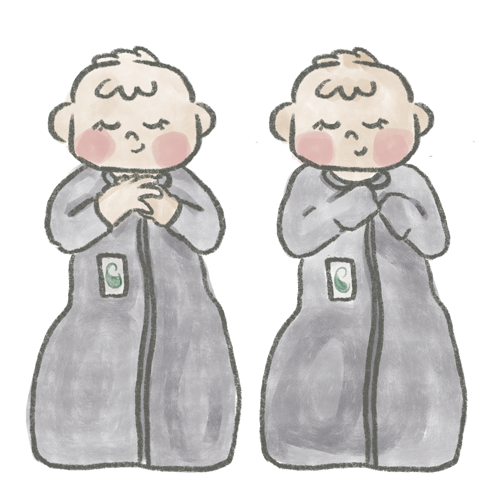
The ability to bring the hands together at the midline of the body is a significant developmental milestone, typically appearing around three months of age. This ability, known as the Midline Behaviour, plays a crucial role in various aspects of a baby's growth and coordination, laying the foundation for more complex motor skills. In this article, we’ll explore why midline behaviour is essential and share tips on how you can support your baby in developing this critical ability. Why Is Midl …
27th Oct 2024
Why Do Babies Throw and Repeat?

Why Do Babies Throw and Repeat?

Picture this: you're feeding your baby their lunch, only for them to throw the food, the spoon, the plate—everything—on the floor. You pick it up, only for them to throw it again, giggling or looking at you expectantly. It’s noisy, it’s messy, and it can be downright frustrating. However, this behaviour is more than just a source of annoyance—it’s an important part of your baby’s development. Exploring Cause and Effect One of the primary reasons babies throw objects is to explore cause a …
13th Oct 2024