

 New Zealand Dollar (NZD)
 Hong Kong Dollar (HKD)
 Japanese Yen (JPY)
 Singapore Dollar (SGD)
 South Korean Won (KRW)
 United Arab Emirates Dirham (AED)
 Canadian Dollar (CAD)
 British Pound (GBP)
 Euro (EUR)
 Swiss Franc (CHF)
 Swedish krona (SEK)

Sleep Blog

Why Non-Nutritive Sucking Fuels Baby's Brain Development
Non-nutritive sucking (NNS) is more than just a baby’s way to self-soothe - it’s a proven exercise for the developing brain.
Research shows that the repetitive, coordinated movements of NNS activate and strengthen neural pathways essential for speech, attention, and learning. For example, a 2024 study found that infants with more mature NNS patterns at 3 months had higher cognitive and general development scores at 12 months.
For premature or at-risk babies, encouraging non-nutritive
…
3rd Jul 2025

How Tryptophan Affects Newborn Sleep
Tryptophan is an essential amino acid that plays a crucial role in melatonin production. Here's how the process works:Tryptophan to Serotonin: When you consume foods containing tryptophan, your body converts it into serotonin. This process occurs in the brain, where tryptophan crosses the blood-brain barrier.Serotonin to Melatonin: Once serotonin is produced, it can be converted into melatonin, particularly in the evening or in low-light conditions. Melatonin is the hormone responsible for regul
…
31st Dec 2024
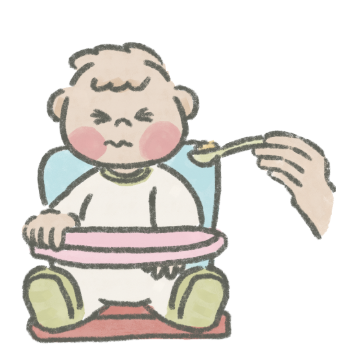
How Sleep Affects Your Baby's Gut
Did you know that your baby’s sleep quality can have a big impact on their digestion? There’s a strong connection between how well your little one sleeps and how their tummy works, and in this video, we’ll delve into why poor sleep and gut issues often go hand in hand.
The Bi-directional relationship between your baby’s gut bacteria and circadian rhythm
Recent research shows that babies’ gut bacteria follow their own circadian rhythm, which is closely linked to your
…
31st Dec 2024

How Oxytocin Affects Newborn Sleep
Oxytocin, the hormone produced by the hypothalamus in the brain and released by the pituitary gland, provides several health benefits including improving immune function, reducing stress levels and inflammation.
Also known as the 'sedation hormone' for its calming and relaxing effects, oxytocin can help babies feel safe and secure, thus helping to improve their sleep quality and duration. There are several ways to boost baby's levels of oxytocin, including:
Touch
Gentle touches, such as stroking
…
31st Dec 2024
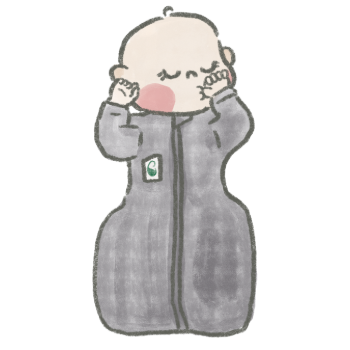
What is Non-Nutritive Sucking?
An infant's sucking instinct develops as early as 15 weeks into pregnancy, and continues outside of the womb; usually as a cue to hunger and feeding.But there is another form of sucking, referred to as 'non-nutritive sucking' -- being able to suck one's fingers, even when not feeling hungry.'Non-nutritive sucking' is a newborn's ability to get their hand to mouth - not a cue to hunger, but as an exploratory behaviour - as they experience their surroundings and gain knowledge through th
…
31st Dec 2024
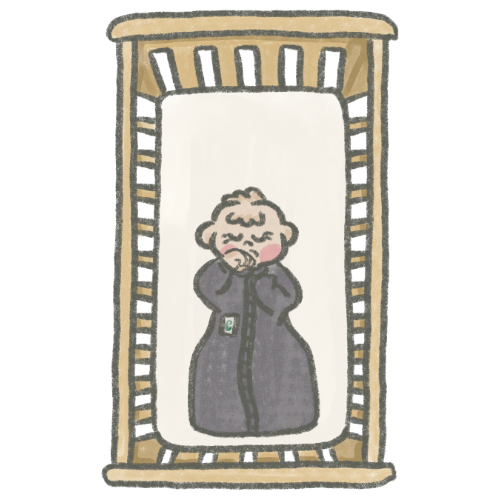
Top 5 Newborn Sleep Tips
Newborn sleep can often feel like a complex puzzle for parents, but establishing healthy sleep habits from the start is crucial for your baby's development and your own well-being. Here are some practical tips to help you navigate those early weeks and support your little one in achieving better sleep.
1. Routine
Keeping a regular schedule with consistent wake-up and bedtimes, along with daily activities like morning walks in the sunlight, helps your baby’s body learn when to slee
…
20th Nov 2024
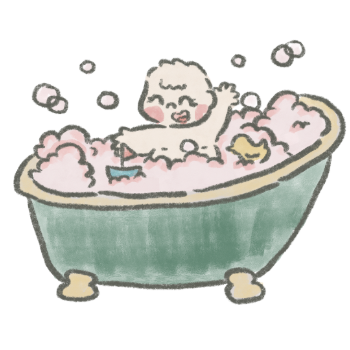
How Bath Helps Baby Sleep
Warm baths can be a great addition to your baby's bedtime routine, and it's not just a nice idea — it’s backed by science! Here’s how and why it works:
The Science Behind Warm Baths and Sleep:
When your baby is immersed in warm water, a process called vasodilation occurs, where their blood vessels dilate, increasing circulation. This physiological response helps your baby relax, making it easier for them to settle down for sleep. After a warm bath, as your baby's body cools down, it naturall
…
1st Nov 2024

Consistent Comfort for Baby
Pediatrics research has shown that sucking on a pacifier can reduce a baby's perception of pain during medical procedures such as a heel prick to draw blood.However, this effect seems to be short-lived and occurs only while the infant is actually sucking on the pacifier. Studies have shown that infants often lose their pacifiers within 30 minutes of falling asleep, with almost two-thirds of babies in one study losing their pacifiers during sleep, leading to sleep disruptions and frequent night
…
1st Sep 2024

The Art of Napping and How to Reduce Your Sleep Deprivation
One of the most overwhelming aspects of parenting is sleep deprivation. Lack of proper sleep can take a toll on your well-being and put you at increased risk of illness and depression. As you struggle to cope with your baby's sleep patterns, don't forget to look after yourself. Here is how a little nap of your own can go a long way helping you cope and stay sane.You might think a 30 minute nap won't make much of a difference to your health, if you're only getting a couple of hours sleep each nig
…
7th Mar 2021

Baby Sleep Cycles
Unlike adults, babies sleep and wake in short bouts, at seemingly random times throughout day and night. They are also light sleepers, and are easily aroused from sleep.This is in part because babies have yet to develop strong circadian rhythms, which means they've yet to learn the difference between day and night. They also have tiny tummies and therefore need to wake frequently to feed.But there is another fundamental reason - a baby's sleep cycle is much shorter compared to that of an adult'
…
7th Mar 2021