

 New Zealand Dollar (NZD)
 Hong Kong Dollar (HKD)
 Japanese Yen (JPY)
 Singapore Dollar (SGD)
 South Korean Won (KRW)
 United Arab Emirates Dirham (AED)
 Canadian Dollar (CAD)
 British Pound (GBP)
 Euro (EUR)
 Swiss Franc (CHF)
 Swedish krona (SEK)

Sleep Blog

Why Non-Nutritive Sucking Fuels Baby's Brain Development
Non-nutritive sucking (NNS) is more than just a baby’s way to self-soothe - it’s a proven exercise for the developing brain.
Research shows that the repetitive, coordinated movements of NNS activate and strengthen neural pathways essential for speech, attention, and learning. For example, a 2024 study found that infants with more mature NNS patterns at 3 months had higher cognitive and general development scores at 12 months.
For premature or at-risk babies, encouraging non-nutritive
…
3rd Jul 2025

How Non-Nutritive Sucking Helps Babies Sleep Better
An infant's sucking instinct develops as early as 15 weeks into pregnancy and continues after birth, primarily as a cue for hunger and feeding. However, babies also engage in non-nutritive sucking (NNS) — sucking on fingers or other objects even when they are not hungry. This behaviour is more than just a reflex; it plays a crucial role in an infant's development and well-being.
Non-nutritive sucking typically happens in situations such as:
• When babies suck on their thumb, hand, f
…
1st Mar 2025

Memories from the Womb
Pediatric research has revealed the extraordinary capacity of babies to recognize their mother's voice even while in the womb. It's truly remarkable how this special connection is established before birth.Additionally, babies have the ability to hear and be familiar with specific music or books that mothers played or read aloud during pregnancy.When they are born, babies exhibit a sense of familiarity and recognition towards these sounds, carrying these auditory memories with them and forming a
…
31st Dec 2024
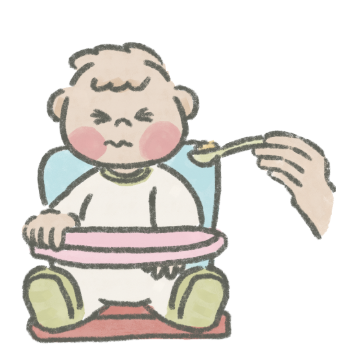
How Sleep Affects Your Baby's Gut
Did you know that your baby’s sleep quality can have a big impact on their digestion? There’s a strong connection between how well your little one sleeps and how their tummy works, and in this video, we’ll delve into why poor sleep and gut issues often go hand in hand.
The Bi-directional relationship between your baby’s gut bacteria and circadian rhythm
Recent research shows that babies’ gut bacteria follow their own circadian rhythm, which is closely linked to your
…
31st Dec 2024
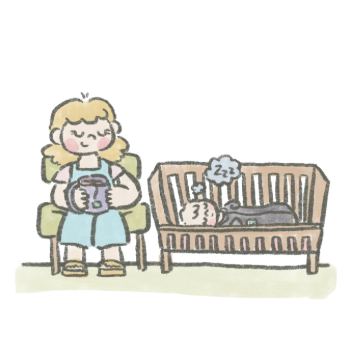
How to Smoothly Introduce New Changes to Your Baby's Sleep Routine
As parents, ensuring your baby gets peaceful and restorative sleep is always a top priority. However, introducing changes to their sleep routine—such as swaddling in a different arm position or product, transitioning out of a swaddle, or incorporating a new sleep aid—can sometimes feel overwhelming.
Every baby adjusts differently, and some transitions may require patience and a tailored approach. By understanding your baby’s unique needs and following proven strategies, you can help them adapt
…
1st Dec 2024

How To Manage Your Baby's Sleep Regression
Sleep regressions are temporary periods when a baby or toddler who was previously sleeping well experiences a sudden disruption in their sleep patterns.
What causes Sleep Regressions?
Sleep regressions are often linked to developmental leaps. As babies acquire new skills or experience cognitive growth, their sleep may temporarily take a backseat. Some common causes include:
Physical development: Learning new skills like rolling over, crawling, or walking.
Cognitive growth: Increased awareness o
…
1st Dec 2024

Baby Sleep Cycles
Unlike adults, babies sleep and wake in short bouts, at seemingly random times throughout day and night. They are also light sleepers, and are easily aroused from sleep.This is in part because babies have yet to develop strong circadian rhythms, which means they've yet to learn the difference between day and night. They also have tiny tummies and therefore need to wake frequently to feed.But there is another fundamental reason - a baby's sleep cycle is much shorter compared to that of an adult'
…
7th Mar 2021